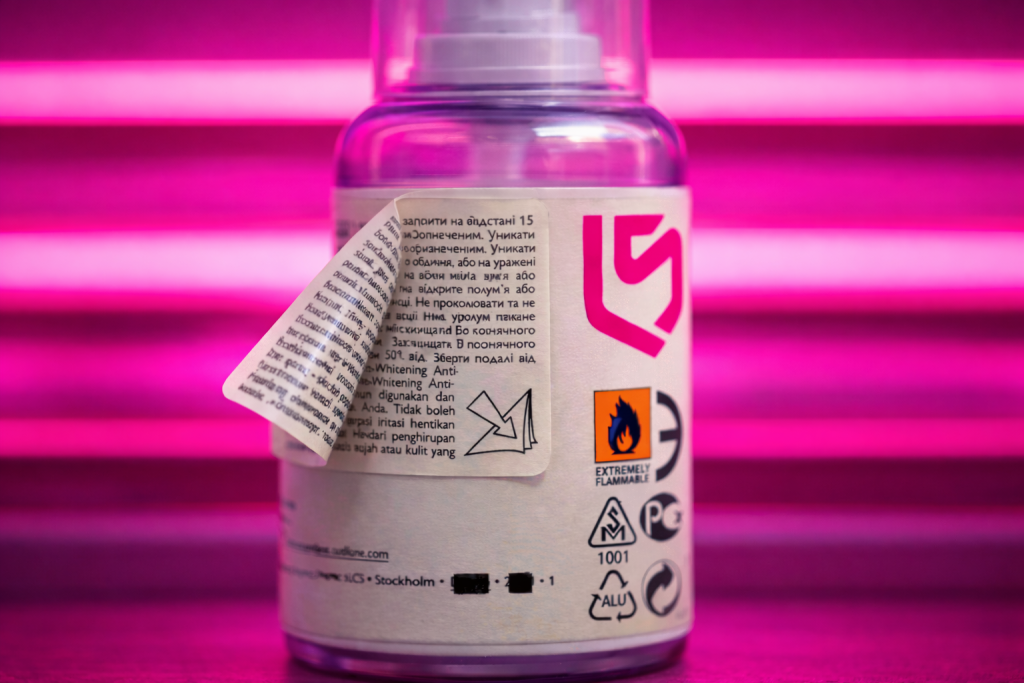
Booklet labels have shifted from a specialist packaging solution into a core compliance tool as UK and EU regulations demand far more on-pack information than ever before. What once served primarily pharmaceutical and chemical markets is now becoming mainstream across cosmetics, veterinary medicines, alcohol, household goods and multi-country FMCG products. With regulatory frameworks rapidly expanding ahead of 2026, extended-content labels are no longer optional – they are becoming the structural backbone of compliant packaging.
A major driver is the growing volume of mandatory safety and usage information. In the chemical sector, the EU’s updates to the Classification, Labelling and Packaging (CLP) Regulation introduce new hazard classes for endocrine disruptors, PMT substances and their vPvM counterparts. Each of these categories requires additional hazard statements, precautionary text, pictograms and warnings. These changes alone can double the space required on a typical container, which is why chemical manufacturers are increasingly turning to booklet labels that can comfortably hold multi-language safety content without cluttering the outer panel.
Veterinary medicines face a similar pressure. Updates to the UK’s Veterinary Medicines Regulations for 2026 will require more detailed administration guidance, species-specific dosing and clearer withdrawal periods for animals entering the food chain. Many veterinary products come in compact formats such as syringes, droppers or small plastic bottles. Booklet labels provide the only realistic way to include this expanded content alongside batch codes, QR links to SmPCs and mandatory safety statements.
Cosmetics are experiencing their own surge in on-pack requirements. Updated allergen lists, expanded warnings for active ingredients and multi-market INCI lists make it nearly impossible for single-layer labels to meet retailer and regulatory expectations. Booklet labels offer beauty brands the space to present multi-language content clearly while keeping packaging visually minimal. They also withstand oil, moisture and solvents found in many cosmetic formulas thanks to specialised laminates and hinges.
Alcohol producers are also preparing for significant change. From 2026, UK regulations will require mandatory ingredient lists and nutritional panels on all alcoholic beverages. Beer, wine and spirits sold in premium glass bottles often provide limited back-of-pack real estate, especially where embossing or decorative elements restrict printable surfaces. Booklet neck tags and wrap-around extended-content labels solve this by adding discreet space for ingredient and allergy information without disrupting the brand’s front-facing design.
For multi-market or multi-language products, booklet labels streamline operations by eliminating the need for multiple regional variants. One extended-content label can include translations for EU, UK and export destinations while keeping the outer panel consistent across all channels. This reduces printing complexity, lowers waste and strengthens brand uniformity.
Durability is another decisive factor driving adoption. Booklet labels are engineered to survive abrasion, condensation, chemical exposure and warehouse handling. Their reinforced hinges and specialist adhesives ensure that extended panels stay firmly attached throughout the product’s life cycle – a critical requirement for sectors such as chemicals, veterinary care and industrial maintenance.
As regulations continue to evolve toward 2026, booklet labels provide the adaptability and resilience brands need. They offer a scalable way to incorporate new rules without constant redesigns, making them one of the most strategic tools in modern packaging compliance.