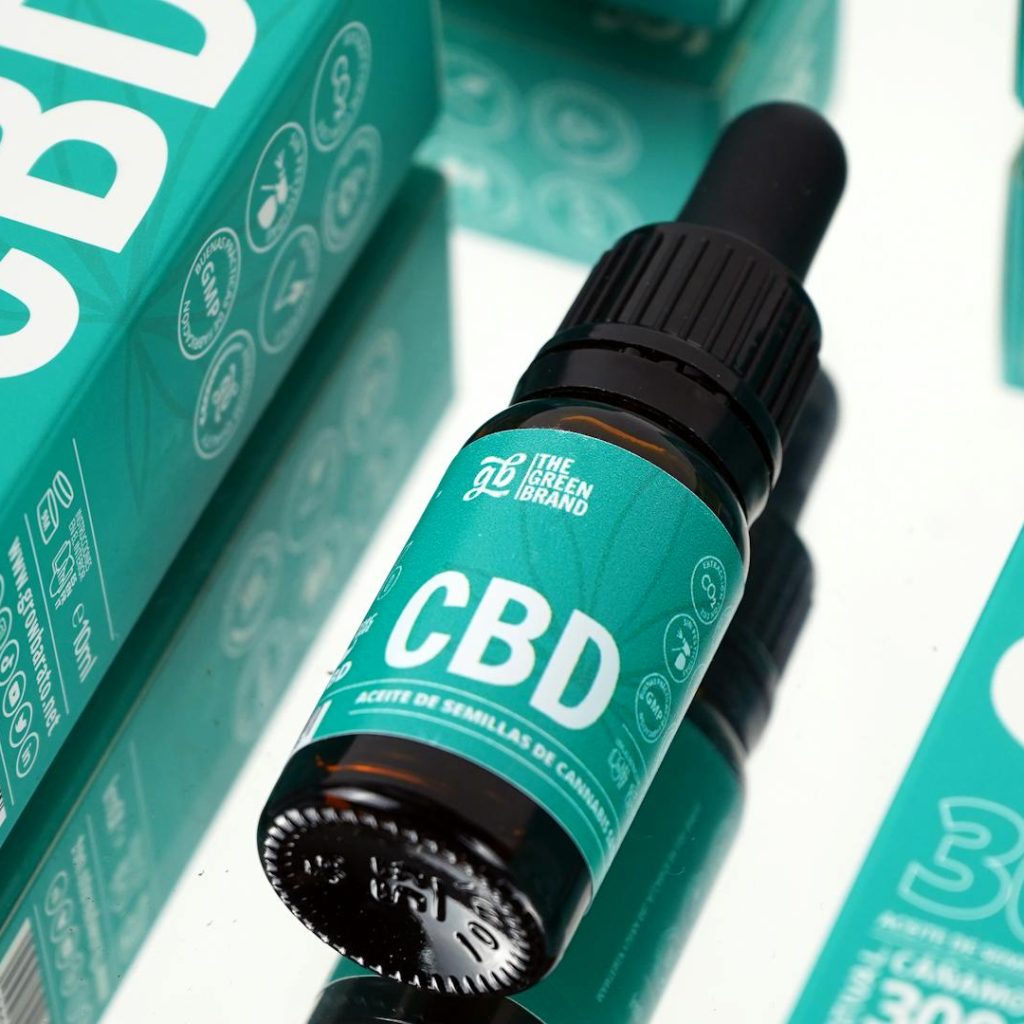
When products require more space for instructions, safety details, or multilingual text, extended labels become essential. Two of the most widely used formats in the UK are fold-out labels and peel and reveal labels. While both expand the available area beyond a standard label, they offer different benefits depending on the product type and regulatory requirements. For businesses in pharmaceuticals, chemicals, food, and consumer goods, choosing the right format can make a significant difference in usability and compliance.
Understanding Peel and Reveal Labels
Peel and reveal labels use multiple layers that can be lifted to reveal additional content beneath. They are often compact, providing a neat way to combine regulatory text with brand design. These labels are particularly effective where durability and legibility are critical, such as on pharmaceutical packaging or small chemical containers.
The main strength of peel and reveal is versatility. They can include multilingual content, dosage instructions, or hazard information without overwhelming the front-facing design. Once closed, they look and function like a standard label, maintaining product appeal while offering the depth of information required by regulators.
How Fold-Out Labels Work
Fold-out labels, sometimes called leaflet or booklet labels, provide an even larger surface area by unfolding into multiple panels. They resemble miniature brochures attached to packaging, offering enough space for detailed information such as usage guides, promotional content, or extended multilingual translations.
These labels are well suited to products where regulations require extensive disclosure, for example, agrochemicals or personal care items with complex ingredient lists. Fold-out formats also support marketing opportunities by giving space for brand storytelling, QR codes, or promotional campaigns alongside mandatory text.
Comparing the Two Formats
The choice between fold-out and peel and reveal labels depends on the balance between space, practicality, and presentation. Peel and reveal labels are discreet and compact, ideal for packaging where space is limited and the focus is on regulatory essentials. Fold-out labels, by contrast, are better for products that demand comprehensive explanations, step-by-step instructions, or extensive translations.
Durability is another consideration. Peel and reveal labels are often more resistant to wear and tear, making them reliable in industrial or medical environments. Fold-out labels, while offering more space, may be more vulnerable to damage if handled frequently.
From a cost perspective, peel and reveal labels are generally more economical for shorter runs or smaller products, whereas fold-out labels represent an investment when brands need to convey large amounts of information in a single, integrated format.
How to Choose Best for Your Business
Both label types serve as effective tools for managing complex information, but the right choice depends on sector needs and consumer expectations. Pharmaceutical and chemical products often benefit from peel and reveal labels for their compact yet compliant design. Food, personal care, and agrochemical products may find fold-out labels more practical, particularly when marketing and multilingual content are priorities.
Ultimately, both formats help businesses navigate increasing regulatory demands while preserving brand identity. The decision lies in weighing the amount of information required, the durability needed, and the overall presentation desired. By choosing the right extended label, companies can ensure compliance, enhance usability, and strengthen their packaging strategy.