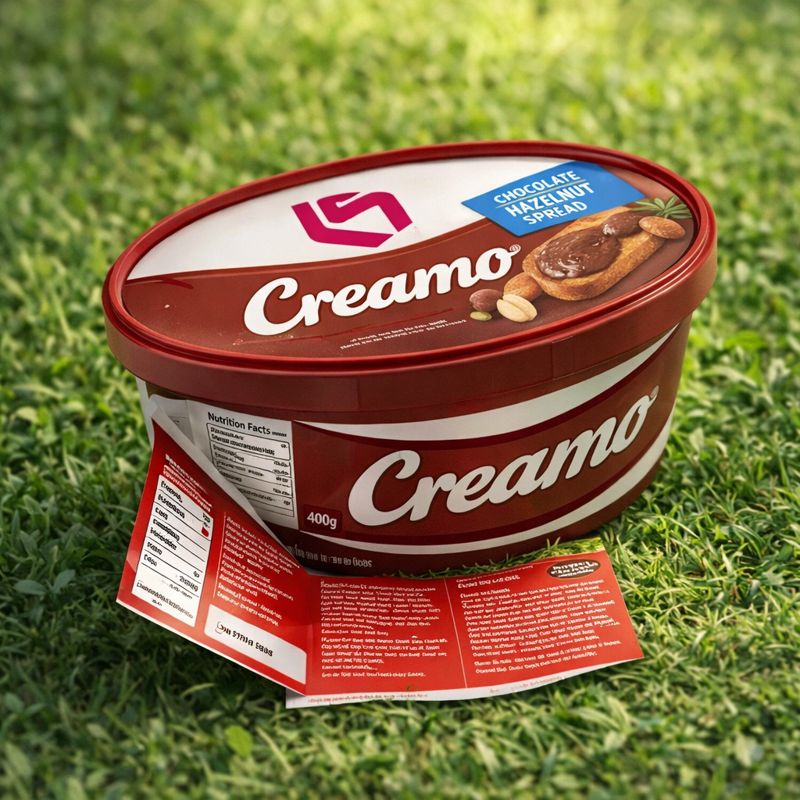
There are situations where packaging design reaches a hard limit. No amount of layout optimisation, font reduction, or copy editing will make all required information fit onto a single or even multi-panel label without compromising compliance. In these cases, booklet labels move from being a design choice to a necessity.
Booklet labels are most often used when regulatory obligations are extensive, unavoidable, and subject to close enforcement. They provide a structured way to carry large volumes of mandatory information directly on the product, without sacrificing legibility or durability.
Where Other Label Formats Fall Short
Standard and peel-and-reveal labels can accommodate moderate increases in content, but they have practical limits. When products require extensive safety instructions, legal statements, multilingual text, or technical specifications, even layered formats may become cramped.
Booklet labels are designed specifically for high information density. Multiple pages allow content to be organised logically, with clear sections, headings, and language separation. This structure supports both compliance and usability, ensuring that information is not only present but readable and accessible.
These labels are particularly common on products where information must remain permanently attached and available throughout the product’s use. In such cases, external leaflets or digital alternatives are not considered sufficient.
High-Scrutiny Products and Regulatory Expectations
Booklet labels are frequently used in sectors subject to frequent inspections and strict documentation requirements. Regulators expect all mandatory information to be available at the point of use, in a format that does not rely on secondary materials.
This is especially important where incorrect use carries safety, health, or environmental risks. Booklet labels allow brands to include comprehensive instructions, warnings, and supporting information without compressing text to impractical sizes.
From a compliance perspective, they also support clearer version control. Updates to regulatory wording or language requirements can be managed within the booklet structure, reducing the risk of partial updates or inconsistencies across product ranges.
Balancing Durability, Usability, and Compliance
Booklet labels are designed to withstand handling, opening, and repeated use. This durability is essential where users need to refer back to instructions multiple times. Clear navigation within the booklet helps ensure that information can be found quickly, rather than becoming buried in dense blocks of text.
While booklet labels are more complex to produce, they often reduce overall risk. They minimise the likelihood of non-compliance due to missing or illegible information and support smoother interactions with regulators and retailers.
In practice, booklet labels are not about overengineering packaging. They are used when compliance requirements exceed what simpler formats can reasonably support. In these cases, they become the only viable option for meeting legal obligations without compromising clarity.